
Our research sits at the intersection of human evolutionary genomics and genetic epidemiology. We ask how evolutionary history shapes genetic variation, disease risk, and the ability of genetic discoveries to translate across populations.
Research in the Lachance Lab fits into four general themes:
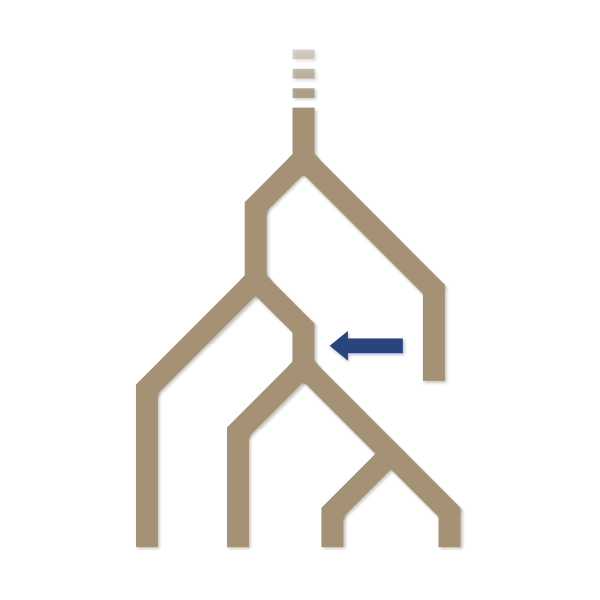
Human genomes carry a record of our species’ migrations, interactions, and adaptation. We use ancient and modern DNA to reconstruct human demographic history, investigate natural selection, and uncover the consequences of admixture and archaic introgression. By connecting evolutionary processes to patterns of genetic variation, we seek to understand how the history of our species continues to influence human biology and disease.

Africa harbors more human genetic diversity than any other region of the world, yet its populations remain underrepresented in genomic research. We investigate how demographic history, admixture, and natural selection have shaped variation across the continent, while studying how genetic architectures of complex traits differ among African populations. This work highlights the value of African populations for understanding human biology and advancing genomic medicine.

Why is prostate cancer substantially more common and more deadly among men of African ancestry? We investigate the genetic factors underlying these disparities by studying common and rare germline variation, genetic architecture, and population-specific risk across sub-Saharan Africa. Our work also examines how germline and somatic variation interact to shape prostate cancer susceptibility and disease progression, linking population genetics with the biology of cancer.
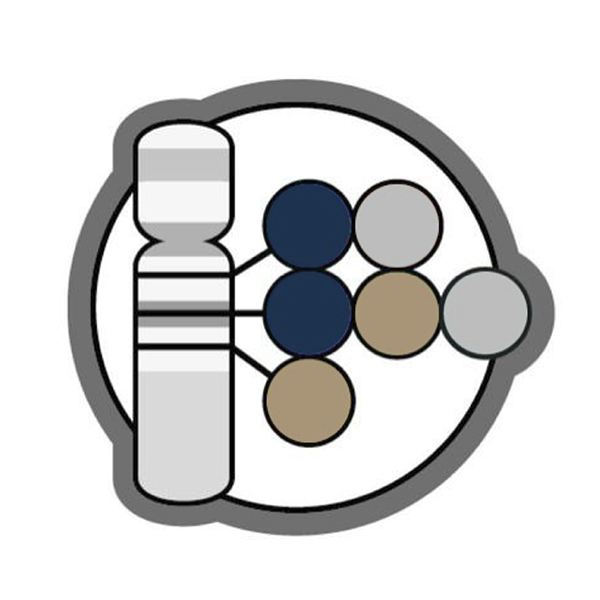
Genetic predictors that work well in one population may perform poorly in another. We investigate why some, but not all, genetic associations travel well across populations. This involves integrating population genomics, statistical genetics, evolutionary theory, and machine learning approaches. Ultimately, we aim to develop genetic predictors that are both more accurate and broadly applicable across human populations.